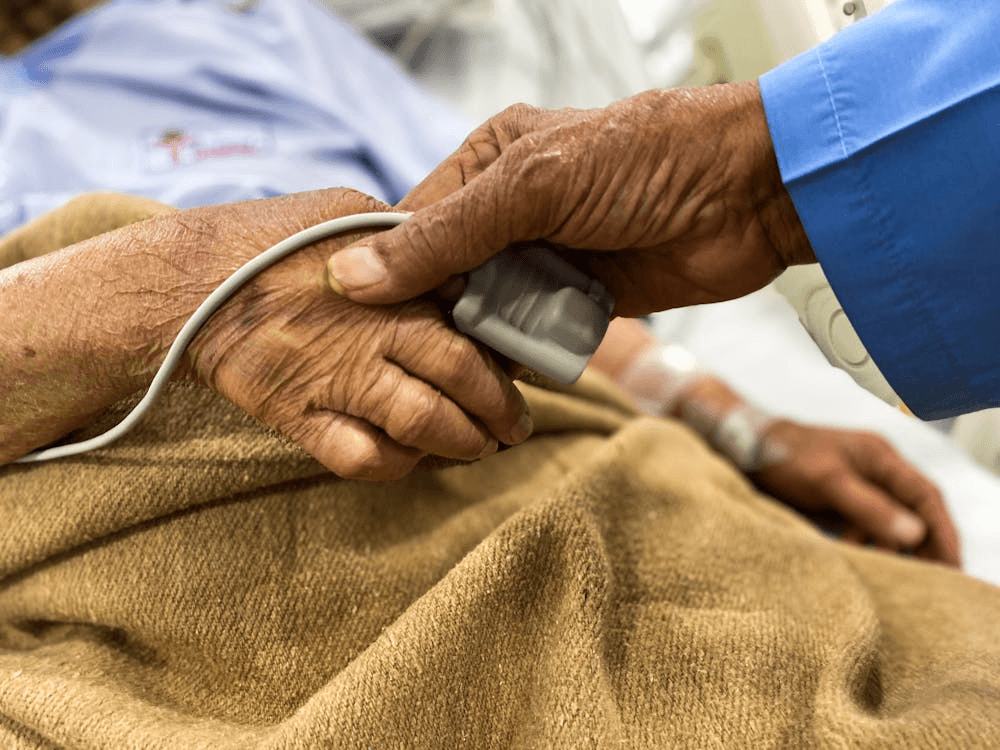
There is a profound sense of relief when a loved one’s surgery is successfully behind them. After the hours of waiting and quiet concerns, families can finally take a deep breath.
Yet for many caregivers in Barrie, this relief is followed by quiet uncertainty. As the discharge papers from Royal Victoria Regional Health Centre (RVH) are prepared, a pressing question naturally arises: What is the safest and most supportive environment for the recovery that lies ahead?
The discharge process can feel rushed. If you are like most family caregivers, you might assume bringing them home is the only option. However, for many seniors, returning home immediately after surgery can be risky.
At Livita Barrington, we understand this stressful gap between hospital care and full recovery at home. For years, we have walked alongside families from across our community during this transition. The path from a monitored hospital room to the familiar surroundings of home is not always straight.
Recovery requires rest. It also requires the right support. Seniors regain strength best when they feel safe, confident, and respected. That’s why we’re here to introduce a solution that acts as a bridge to safety: short-term convalescent care in Barrie.
What is Convalescent Care?
Convalescent care is a short-term stay in a supportive residential setting. It is designed for recovery after hospital discharge, surgery, or illness. It bridges the gap between hospital and home.
These short-term recovery stays are created for this purpose. They provide needed support after discharge in a community that feels welcoming and familiar. Recovery happens with connection and peace of mind, not isolation.
The Risks of Returning Home Too Early Post-Discharge
The jump from a hospital room to the quiet of a home on Yonge Street or near the waterfront may seem simple. In reality, it can be challenging. This moment is critical. Recovery can move forward smoothly, or it can take a setback.
When a senior returns home too early, families often face hidden risks:
- The Fall Risk – Hospitals have railings, non-slip floors, and call bells. Most homes do not. A multi-level home in Barrie’s older neighbourhoods may include stairs, loose rugs, and narrow bathrooms. A simple trip to the bathroom at night can lead to a serious fall. Falls often result in hospital readmission.
- Medication Mismanagement – Post-surgery medication schedules are often complex. New prescriptions. Different dosages. Specific times. Even sharp minds can struggle. A missed blood thinner or a double dose of pain medication can cause serious harm.
- Nutritional Neglect – Many seniors lose their appetite during recovery. They may say they are not hungry. Preparing balanced meals requires energy they do not have. Without proper nutrition, wounds heal slowly. Energy drops. Weakness increases.
Benefits of Professional Monitoring vs. Family Care
This is where the conversation needs to shift toward compassion for your senior parent and for you. Many adult children in Barrie find themselves trying to balance work, their own children, and now, intensive caregiving.

While family care comes from a place of love, professional convalescent care provides a level of support that families simply cannot replicate at home. Think of it as a team approach to recovery.
Professional Monitoring Offers:
- Scheduled medication administration
- Ongoing observation for changes in condition
- Nutritionally balanced meals prepared daily
- Safe mobility support
- Immediate response in case of an emergency
- Social interaction and community engagement
At Livita Barrington, we provide a warm residential alternative to isolated home recovery. Your loved one is not a patient in a bed. They are residents of a supportive community.
Medication Management and Physiotherapy Access for Convalescent Care in Barrie
Two pillars of sub-acute recovery are medication accuracy and safe movement.
Medication Management
Our team ensures medications are taken correctly and on time. We manage administration and monitor for side effects. We watch for concerns before they become emergencies. This offers peace of mind. It removes the stress of repeated phone calls asking if pills were taken.
Physiotherapy Access
Recovery requires movement. It must be a safe and appropriate movement. Waiting for community physio appointments can delay progress. Transportation can also be a barrier.
Residents at Livita Barrington have access to on-site exercise programs, including VON exercises. Our team encourages gentle mobility. We focus on rebuilding strength safely. This prevents the deconditioning that often happens when seniors rest alone at home.
Transitioning from RVH to a Recovery Suite
We recognize that the hospital discharge planning process can feel hurried. Amid medical details and logistics, finding the right next step can be challenging. A short-term stay at Livita Barrington offers a graceful solution.
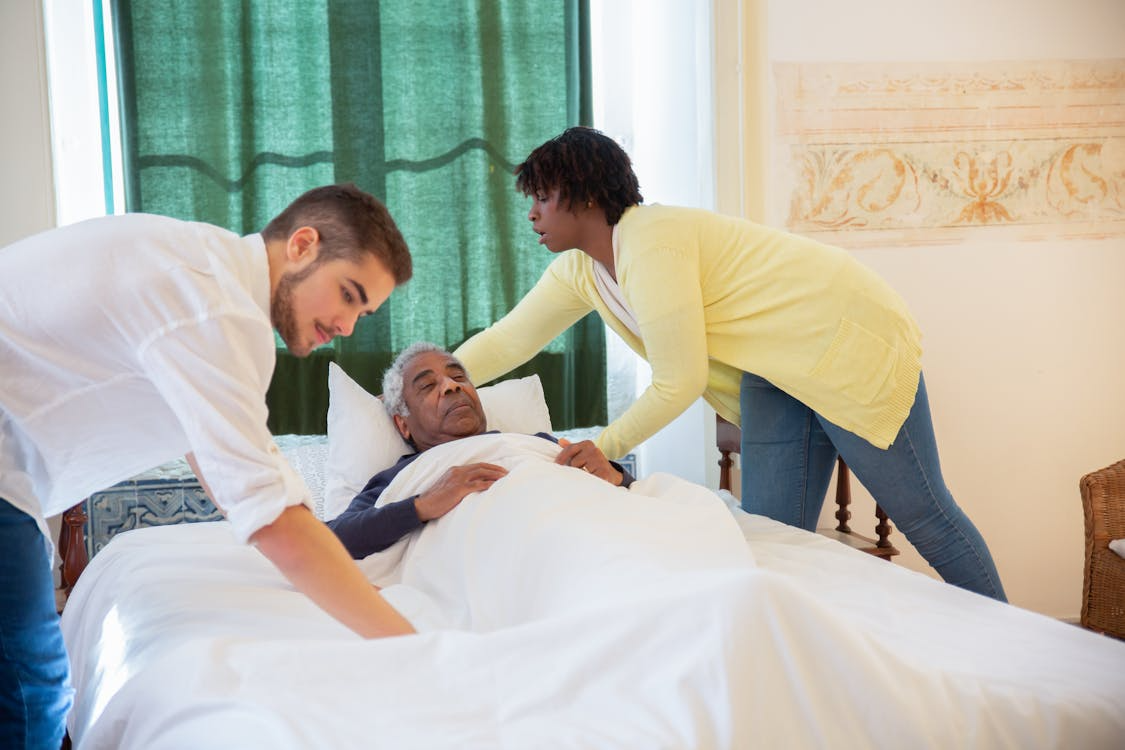
Rather than transitioning directly into a home that may not yet be equipped for their needs, imagine your loved one settling into a private, comfortably furnished suite at our Yonge Street residence. They can look forward to delicious, nutritious meals prepared by our culinary team and enjoyed in our beautiful dining room with others. Their days can be spent reading in our sunroom, enjoying a quiet conversation in the bistro, or simply resting in a space designed for comfort, all with the quiet reassurance that 24-hour short-term nursing care is available if needed.
For families searching for respite care for post-surgery recovery, we offer a solution that prioritizes dignity and safety. We bridge the gap between the high-acuity care of RVH and the independence of home.
Your Discharge Planning Checklist for RVH Patients
If your loved one is at RVH or has surgery scheduled, planning early helps.
Here is a practical checklist:
- Talk to the Discharge Planner – Before discharge papers are signed, speak with the hospital social worker or discharge planner. Ask about post-operative senior care options. Hospital-based transitional units may have limited space and strict eligibility.
- Tour a Local Residence – Contact Livita Barrington to arrange a tour. See the suites. Meet the team. Experience the dining space. Knowing where recovery will happen reduces anxiety.
- Prepare a Medical Summary – Bring a list of medications, allergies, and surgeon instructions. Clear documentation ensures continuity of care.
- Plan for the First Week – Do not rush back to normal routines. Use the first week to rest. Prepare the home for eventual return. Install safety supports if needed. Visit your loved one for quality time, not tasks.
A Message of Compassion from Livita Barrington
Choosing a convalescent stay is not about sending someone away. It is about placing them in a community that supports healing every day. It is about structured care, safety, restoring strength with dignity, and allowing you to breathe.
Recovery is not only physical. It is emotional and requires stability and support. It requires a setting that encourages progress, not setbacks.
If you are preparing for a Royal Victoria Regional Health Centre (RVH) discharge and feel uncertainty about the next step, consider the bridge between hospital and home. Short-term convalescent care offers monitoring, nourishment, mobility support, and companionship.
At Livita Barrington, we focus on safe recovery. We support seniors as they regain confidence. We support families as they step out of crisis mode and back into loving roles.
Contact Livita Barrington today to learn more about our short-term convalescent care suites.